
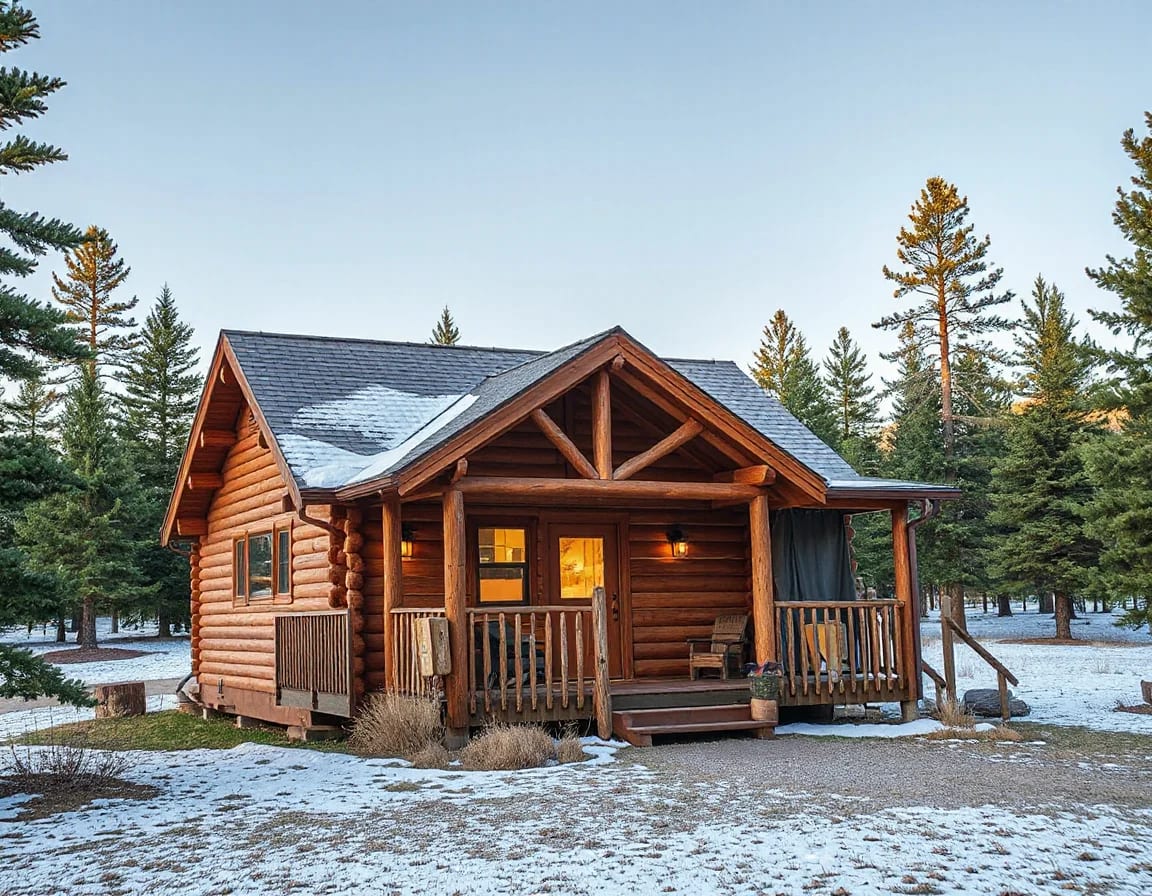
Show Low ownership costs change with the seasons, from winter heating and snow-related upkeep to summer cooling, landscaping, and monsoon-season maintenance. A clear annual plan helps buyers compare homes realistically and helps current owners avoid turning predictable tasks into expensive surprises.
Think Beyond the Monthly Mortgage Payment
Buying a home in Show Low means planning for more than principal, interest, taxes, and insurance. The White Mountains bring distinct seasonal conditions, and each one can affect the way a property is maintained, heated, cooled, insured, and enjoyed. A home with a larger lot, a wood-burning fireplace, tall pines, or a long driveway may offer features that appeal to a buyer, but those features also deserve a line item in the annual ownership budget.
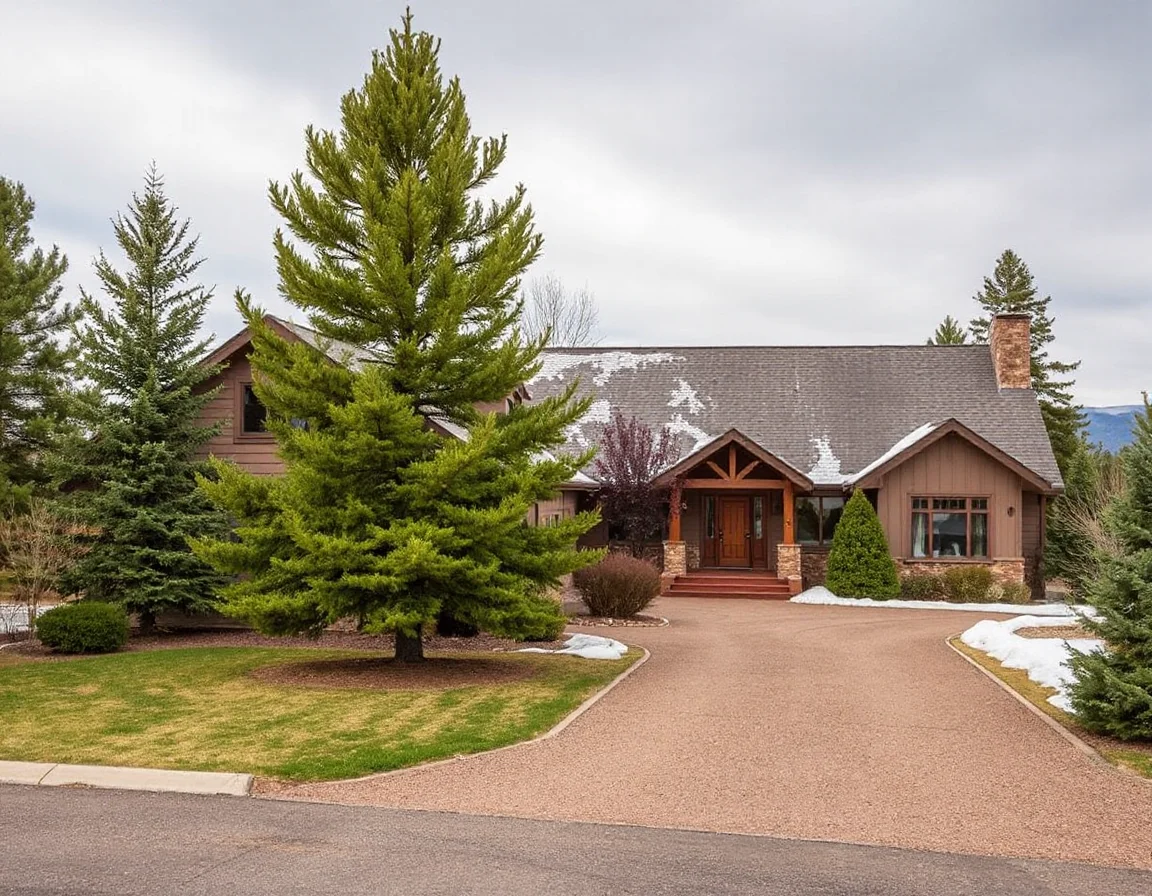
The useful question is not simply, “What will this home cost every month?” It is, “What will this property need over an entire year?” Start with fixed costs such as loan payments, property taxes, homeowners insurance, HOA dues where applicable, and internet or utility service. Then add variable costs: electricity, propane or natural gas, firewood, water, septic service, roof and gutter care, driveway maintenance, landscaping, and reserves for repairs.
Properties can differ dramatically even when they have similar asking prices. A newer home may have more efficient windows, insulation, heating equipment, and roofing. An older cabin-style property may have character and established trees, while also needing a closer look at drainage, insulation, tree trimming, exterior staining, or the condition of a wood stove and chimney. During the inspection period, ask for utility history when available and discuss which systems are included in the sale.
A practical annual reserve is more valuable than a perfect prediction: separate routine seasonal costs from a repair fund so one roof, HVAC, or plumbing issue does not disrupt the rest of the budget.
It also helps to build a “first-year” budget apart from your long-term plan. New owners often purchase tools, window coverings, outdoor storage, maintenance supplies, or furnishings after closing. These are not necessarily recurring expenses, but planning for them can make the transition feel more manageable.
Winter: Heat, Access, and Preventive Maintenance
Cooler temperatures are one of the clearest reasons to budget seasonally in Show Low. Heating use can vary based on square footage, insulation, ceiling height, sun exposure, thermostat habits, and whether a home uses electric service, natural gas, propane, wood, or a combination of systems. Before making an offer, buyers can ask about the home’s primary heat source, the age of the furnace or heat pump, fireplace or stove maintenance, and whether the property has a backup heat option.
Snow and freeze-thaw cycles can also influence routine upkeep. Homes with long driveways may need snow removal equipment or a local service provider during winter weather. Rooflines, gutters, and drainage channels deserve attention because standing water and ice can create avoidable wear. If a property is used only part of the year, winterization steps may be appropriate, including temperature monitoring, plumbing protection, and clear instructions for checking the home after storms.
For homes with fireplaces, wood stoves, or pellet stoves, include annual inspection and cleaning in the budget. Chimney and vent maintenance is a safety-focused task as well as a performance issue. The same applies to carbon monoxide detectors, smoke alarms, filters, and batteries. A small recurring maintenance list can support the home’s systems through the season and make spring maintenance less overwhelming.
Insurance is another item worth reviewing before closing. Coverage needs and premiums can differ according to a property’s location, age, replacement cost, roof type, deductible choices, and other underwriting factors. Request a quote early enough to compare coverage options rather than treating insurance as a last-minute closing detail.
Spring and Summer: Water, Trees, and Outdoor Systems
As winter recedes, spring is an ideal time to walk the property with a maintenance mindset. Check grading, downspouts, gutters, decks, exterior paint or stain, window seals, fencing, and any visible foundation drainage. The goal is not to expect a home to be flawless; it is to identify small jobs while they are still small. A loose gutter, worn caulk line, or clogged drainage path is often easier to address before a heavy seasonal storm.

Outdoor spaces often have their own budget. Depending on the property, that may include irrigation checks, landscape materials, tree care, deck sealing, pest management, gravel refreshes, or fence repairs. Mature trees can be an attractive part of a lot’s character, but they also need appropriate monitoring and trimming by qualified professionals when needed. Buyers should note whether tree care, road maintenance, or common-area upkeep is handled individually or through an HOA.
Summer utility costs may shift toward cooling, even in an elevated climate. Ceiling fans, window coverings, efficient cooling equipment, shade, and properly sealed doors can all affect comfort and energy use. If a home relies on a well or septic system, schedule recommended inspections and service rather than waiting for a problem. Ask the seller what they know about service history, capacity, and routine operating costs, then confirm key details with licensed specialists.
The best seasonal checklist is property-specific: a townhome, a forested acreage property, and a newer subdivision home can have very different maintenance priorities even within the same Show Low market.
Monsoon-season rain is another reason to pay attention to drainage. Keep swales, gutters, and downspouts clear, and watch where water flows after a storm. Homes should direct water away from foundations where possible. If you are evaluating a property, a post-rain visit can reveal useful details about the driveway, yard, roof runoff, and low areas around the home.
Fall Is the Budgeting Season That Pays Off
Fall is an excellent time to prepare both the property and the household budget for the year ahead. Service heating equipment, inspect the roof and chimney, clear gutters, protect exterior plumbing where appropriate, test detectors, and make sure snow tools or service contacts are ready before they are needed. For owners with second homes or extended travel plans, a written shut-down and check-in routine can provide useful peace of mind.
Financially, review what the property actually cost to operate over the previous twelve months. Compare utility bills by season, total maintenance receipts, insurance changes, HOA assessments, and projects you postponed. This turns homeownership from a collection of surprises into a working plan. If a roof, water heater, furnace, or major appliance is approaching the later stage of its expected service life, build savings toward replacement before an urgent repair dictates the timeline.
For buyers, this same planning makes it easier to compare listings fairly. A lower-priced home may need immediate repairs, while a higher-priced property could include recent mechanical updates or lower-maintenance exterior features. Neither option is automatically better. The right fit depends on your available funds, preferred maintenance involvement, financing terms, and the condition information gathered through inspections and disclosures.
Show Low’s four seasons are part of what makes ownership here distinctive. With a realistic reserve fund, a seasonal maintenance calendar, and careful due diligence before closing, home buyers can focus less on unexpected expenses and more on caring for a home that supports their plans throughout the year.