
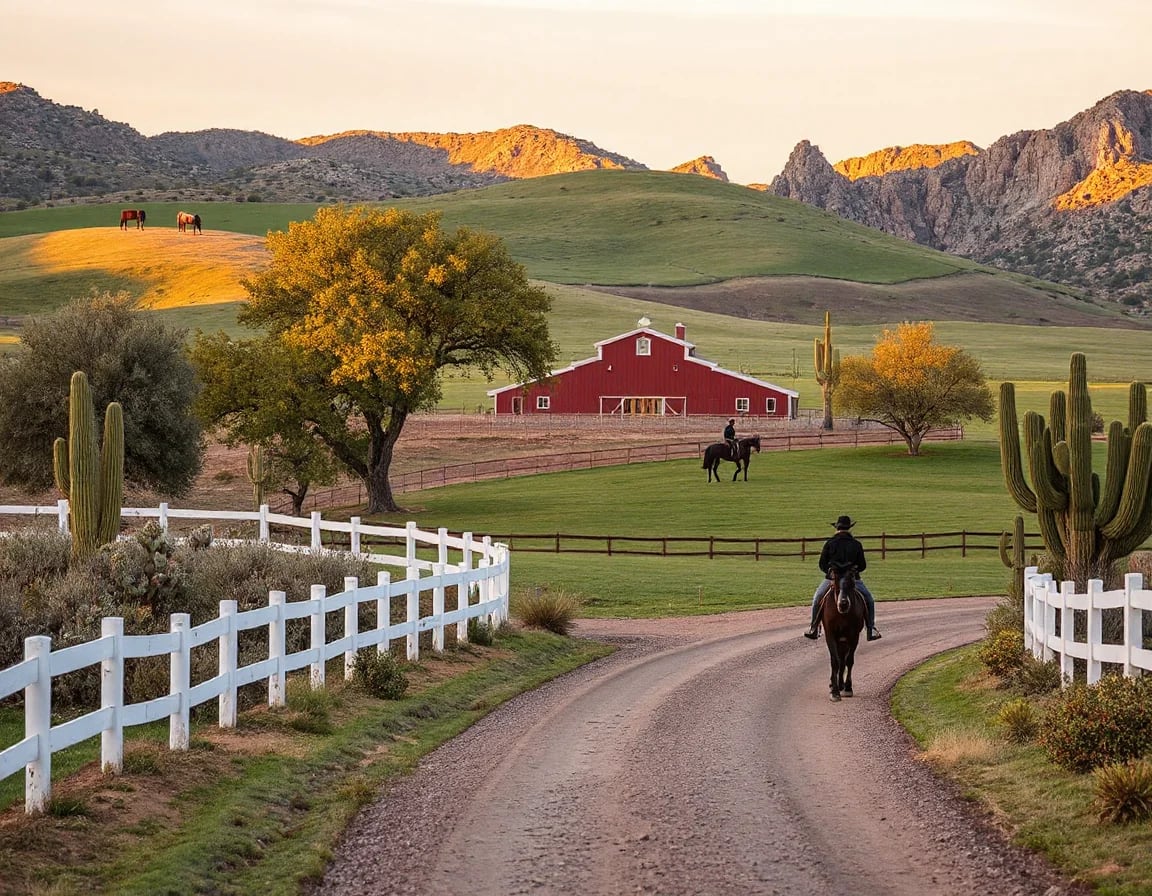
A New River horse property can offer room for animals, equipment, and Arizona outdoor living—but acreage alone does not tell the full story. Before making an offer, look beyond the views and fencing to verify access, water, zoning, drainage, infrastructure, and the practical details that shape everyday ownership.
Start With the Land, Not Just the House
New River’s desert setting, mountain backdrops, and larger parcels make it a compelling place to explore horse-property options. Yet two homes with similar acreage can function very differently. A parcel’s grade, road approach, utility setup, and legal use permissions may matter as much as the residence itself. A careful property tour should move from the perimeter inward: access road first, then boundaries, water sources, fencing, shelters, and finally the home.
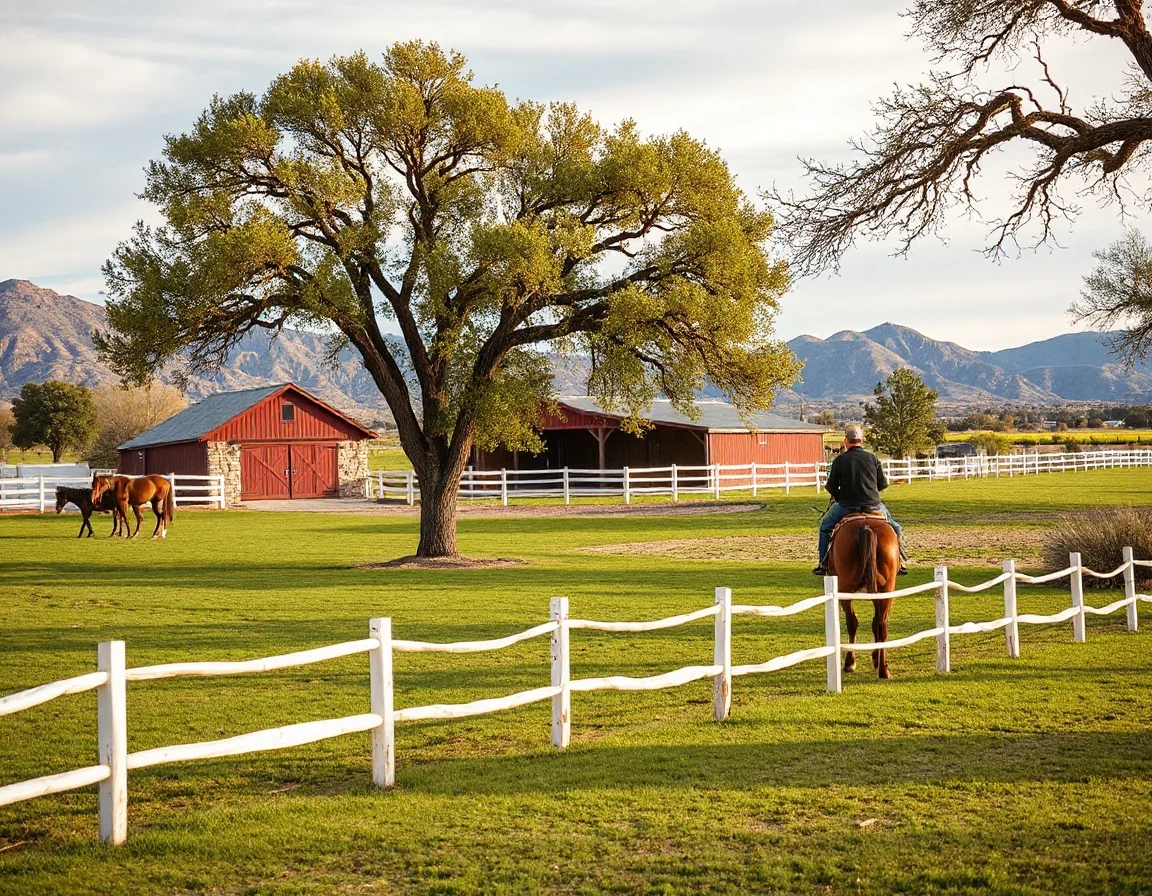
It also helps to separate what is already present from what could be added later. A level area may appear ready for an arena, barn, trailer turnaround, or additional pens, but grading, permitting, drainage work, utility extensions, and material costs can change the scope quickly. During due diligence, ask for documentation rather than relying solely on visible improvements or informal descriptions.
Local knowledge is especially useful in a desert environment where monsoon runoff, unpaved roads, private wells, and varied parcel shapes can influence day-to-day use. Scott Finney and the team at SDF Realty, LLC can help buyers organize questions early so the search stays focused on properties that fit their practical needs as well as their preferred setting.
A beautiful parcel should be evaluated in more than one condition: visit after rain when possible, review aerial imagery, and ask how water moves across the site during seasonal storms.
The Eight Details to Put on Every Tour Checklist
1. Confirm zoning and permitted uses. Start with the county or applicable jurisdiction, not assumptions based on neighboring parcels. Verify the current zoning designation, minimum lot requirements, permitted animal uses, setback rules, and whether existing structures appear to match available records. If future plans include an arena, guest facilities, a workshop, or boarding-related activity, ask the appropriate planning office what approvals may be required.
2. Examine legal and physical access. A property may be reached by a paved public road, a maintained private road, an easement, or a combination of routes. Review title documents and ask who is responsible for maintenance. Consider whether the entrance, gates, turning radius, and road surface can comfortably accommodate delivery vehicles, trailers, emergency access, and routine equipment movement.
3. Investigate the water supply. Water is one of the most important practical questions for any rural or semi-rural property. Determine whether the home is served by a private well, a shared well, a water provider, hauled water, or another arrangement. Request available well records, recent water-quality information, production details where applicable, maintenance history, and any agreements governing shared systems. A qualified inspector or well professional can help assess the condition of equipment and storage components.
4. Study drainage, wash areas, and soil conditions. Desert land can look dry for much of the year, while rainfall events reveal natural washes and low points that deserve close attention. Walk the property for swales, erosion, culverts, retaining features, and signs of standing water or washout. Soil composition can also affect footing, dust control, landscaping, manure management, and the feasibility of future improvements.
5. Check fencing, gates, and existing animal areas. Do not judge fencing only from a distance. Look for loose posts, damaged wire, sharp edges, sagging gates, uneven terrain, and areas where an animal could become entangled. Note the condition of shelters, shade structures, waterers, feed storage, and enclosed spaces. If improvements are included in the sale, clarify which fixtures and equipment will remain.
6. Review power, lighting, and service capacity. A home may have adequate electrical service for residential needs while outbuildings or future improvements require upgrades. Identify the location of panels, outlets, water pumps, lighting, and any separate meters. Ask about backup power, propane systems, septic equipment, and the age and service history of major components. These details are particularly valuable when a property includes multiple structures.
7. Measure usable acreage, not just total acreage. Listing acreage is an important starting point, but slopes, washes, easements, irregular boundaries, rocky terrain, and utility corridors can reduce the portion that is readily usable. A survey, parcel map, and aerial review can help clarify property lines and identify features that are not obvious from the driveway. If boundaries are a major part of the decision, discuss the value of obtaining a current survey with qualified professionals.
8. Understand carrying costs and maintenance demands. Larger parcels can involve more than a larger purchase price. Build a realistic annual budget for water, power, insurance, road upkeep, fencing repairs, septic or well service, pest management, landscaping, and equipment. Ask the seller for utility histories and maintenance records when available, then use inspections to validate the condition of the systems that will be yours to maintain.
Look Beyond the Fence Line
Property boundaries matter, but so does the area immediately around them. Observe nearby roads, utility lines, washes, open desert, and adjacent land uses. Consider the route to veterinary services, feed and supply destinations, trail access where permitted, and everyday errands. Rather than treating these as lifestyle extras, think of them as part of a property’s operating pattern.
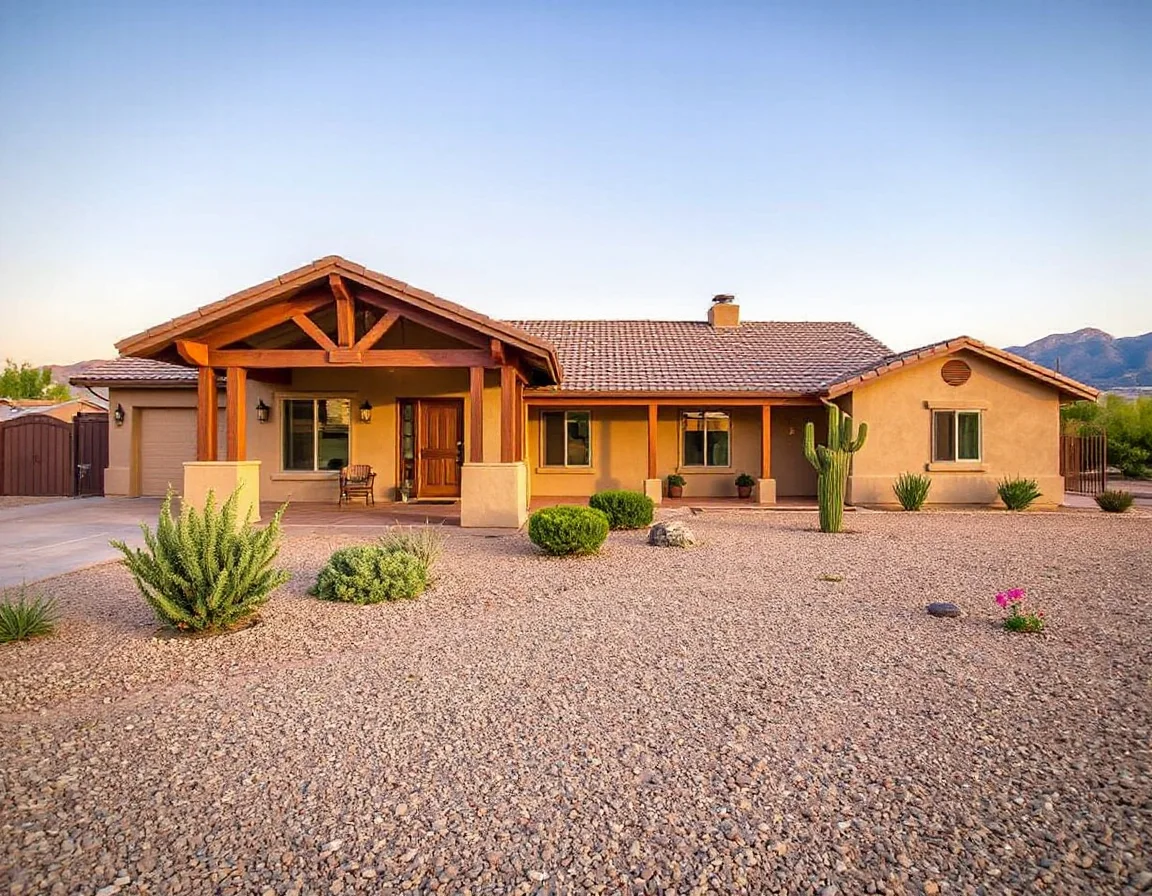
It is wise to visit at different times of day if possible. Morning and late-afternoon light can reveal sightlines, traffic patterns, wind exposure, and shade differently than a midday showing. For properties reached by unpaved roads, a drive after weather changes may provide useful context about surface conditions and drainage. These observations do not replace professional inspections, but they can help you form better questions before the inspection period begins.
Also review the home with the same practical mindset. Cooling systems, window orientation, covered outdoor areas, storage rooms, mudroom-style entries, and durable flooring may affect how comfortably the house supports the rest of the property. A thoughtful search looks for a complete setup rather than focusing on one standout feature.
Build a Due-Diligence Team Before You Need One
Horse-property purchases often benefit from a coordinated group of professionals. Depending on the parcel, that may include a real estate professional, lender, home inspector, septic inspector, well specialist, surveyor, contractor, insurance representative, and county planning contact. Not every property will require every expert, but knowing which questions belong to which professional can prevent rushed decisions.
Ask sellers for permits, invoices, warranties, maintenance logs, well information, septic records, survey materials, and association documents when relevant. Keep notes from each showing and compare properties using the same checklist. That approach makes it easier to distinguish a minor maintenance item from a significant limitation involving access, water, or legal use.
The strongest offer is not always the fastest one—it is the one supported by a clear inspection plan, realistic timelines, and the records needed to evaluate the property with confidence.
Make the Search More Intentional
New River offers a distinctive mix of desert scenery, open-space character, and access to the broader Phoenix area. Finding the right horse property means matching that setting with the details that make ownership manageable: reliable systems, documented access, usable land, and a maintenance plan that fits your goals. With broker-owner guidance, long-term Arizona market experience, and a relationship-focused approach, SDF Realty, LLC can help bring structure to a complex search.
Bring this eight-point checklist to every showing, take photos of questions to revisit, and allow enough time for due diligence once a promising property appears. The right parcel is not simply the one that looks appealing on the first visit—it is the one whose land, infrastructure, records, and daily function all support a confident next step.